introduction
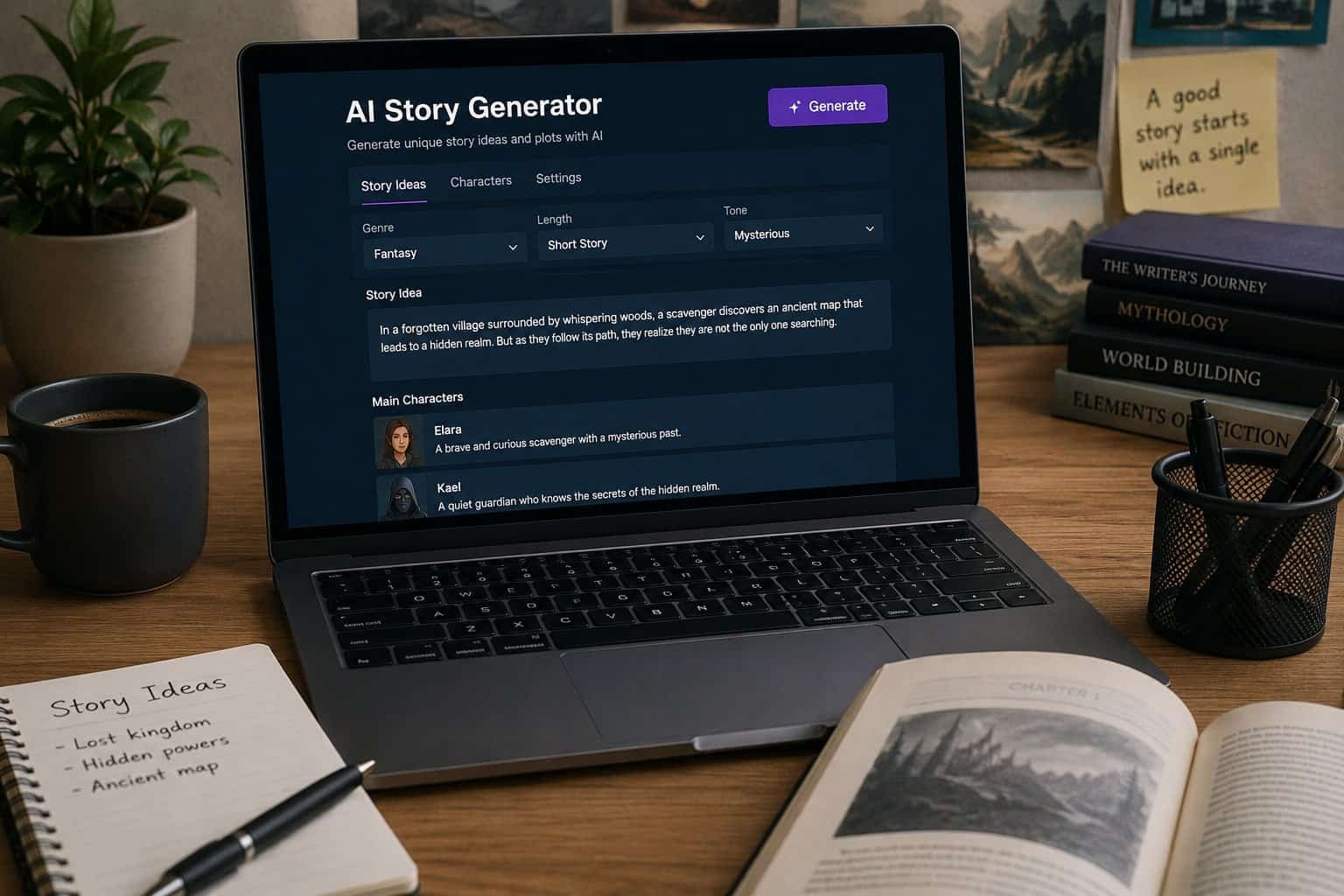
In today’s digital world, creating an interesting story doesn’t always require hours of planning, writing, and editing. Artificial intelligence has made creative writing more accessible to students, writers, bloggers, game developers, and hobbyists. One tool that has attracted attention in this area is the perchance ai story generator.
A story generator can help turn a simple idea into a fictional story by combining characters, settings, themes, events, and writing prompts. It can be especially useful when a writer has an idea but doesn’t know how to develop it into a complete narrative. Instead of staring at a blank page, users can experiment with different concepts and discover new creative directions.
The perchance ai story generator can be viewed as a creative assistant rather than a replacement for human imagination. The strongest results often come when users provide clear ideas, review the generated content, and add their own personality and creativity.
This guide explains what an AI story generator is, how it can be used, its major benefits, limitations, practical tips, and ways beginners can get better results.
What Is a Perchance AI Story Generator?
The perchance ai story generator refers to an AI-assisted storytelling concept associated with Perchance, a platform known for allowing users to create and use generators. Depending on the generator and configuration being used, the experience can help users produce fictional ideas, characters, scenes, dialogue, or longer story concepts.
Unlike traditional writing tools that mainly check spelling and grammar, AI story generators can assist with the creative side of writing.
For example, a user might begin with a simple idea:
“A young explorer discovers a hidden city beneath an abandoned lighthouse.”
From this starting point, an AI-powered storytelling tool could help develop:
• Main characters
• Character personalities
• Locations
• Conflicts
• Story events
• Dialogue
• Plot twists
• Descriptions
• Different endings
The result can then be edited and expanded by the writer.
The important thing to remember is that generated text is only a starting point. Human judgment remains important because AI-generated stories may sometimes contain repetition, inconsistencies, weak character development, or predictable ideas.
How Does the Perchance AI Story Generator Work?
The basic process is relatively simple. A user provides information about the type of story they want, and the generator uses those instructions to produce creative material.
A typical workflow may include the following steps:
1. Choose a story concept.
2. Select or describe a genre.
3. Add characters or character traits.
4. Provide a setting.
5. Describe the desired mood or tone.
6. Generate a story or scene.
7. Review the result carefully.
8. Rewrite and improve the generated content.
The quality of the output depends greatly on the instructions given to the generator. A short and unclear prompt may produce a generic story, while a detailed prompt can give the AI more useful direction.
For example, instead of writing:
“Write a fantasy story.”
a more detailed prompt could be:
“Write a middle-grade fantasy adventure about a curious 13-year-old girl who discovers that an old village clock can stop time. Include a mysterious mentor, a difficult moral choice, and an optimistic ending.”
The second prompt provides much more information about the desired result.
Why Are AI Story Generators Becoming Popular?
Creative writing can be exciting, but it can also be difficult. Many writers experience moments when they can’t think of a suitable opening, character, conflict, or ending.
AI story generators can help overcome this creative barrier.
Some common reasons people use these tools include:
• Generating fresh story ideas
• Developing characters
• Creating writing prompts
• Exploring unfamiliar genres
• Practicing creative writing
• Building fictional worlds
• Experimenting with plot structures
• Creating ideas for games and role-playing
• Finding inspiration for longer projects
The perchance ai story generator can therefore be useful for both beginners and experienced writers, although each person may use it differently.
Key Features of an AI Story Generator
Different generators offer different capabilities, but AI storytelling tools commonly focus on several important areas.
1. Story Idea Generation
Coming up with an original idea can sometimes be harder than writing the story itself. An AI generator can provide unexpected combinations of characters, locations, conflicts, and events.
For example, it might combine:
• A retired magician
• A futuristic city
• A missing historical artifact
• A mysterious child
• An approaching storm
These individual elements could become the foundation of a larger story.
2. Character Development
Strong characters are essential for engaging fiction. A generator can help writers explore details such as:
• Age
• Personality
• Goals
• Fears
• Strengths
• Weaknesses
• Relationships
• Personal history
However, writers should review generated character information to make sure the character feels believable and consistent.
3. Plot Development
Some writers have excellent characters but struggle to create a complete plot. AI assistance can help suggest possible conflicts, turning points, obstacles, and resolutions.
A basic structure might look like this:
Story Stage Example
Beginning The hero discovers a mysterious object
Rising Action The object attracts unwanted attention
Conflict The hero must protect it from an enemy
Climax The hero discovers the object’s true purpose
Resolution The hero makes a difficult choice
This structure can give a writer a useful foundation without removing the need for creative editing.
4. Genre Exploration
AI storytelling can be used for many fictional genres.
Popular examples include:
• Fantasy
• Science fiction
• Mystery
• Adventure
• Romance
• Horror
• Historical fiction
• Comedy
• Thriller
• Children’s fiction
Experimenting with different genres can also help writers discover styles they enjoy.
Benefits of Using the Perchance AI Story Generator
The perchance ai story generator can offer several practical advantages when used responsibly.
Saves Time
Creating a story from scratch can take considerable time. An AI tool can quickly generate a rough concept that a writer can develop further.
This doesn’t mean the generated story should be published immediately. Instead, it can serve as a draft or brainstorming resource.
Helps With Writer’s Block
Writer’s block is one of the most common challenges faced by creative writers. Sometimes a writer knows the general direction of a story but can’t decide what should happen next.
Generating several possibilities can help break that mental barrier.
Encourages Experimentation
Writers can test unusual ideas without investing hours in each one.
For instance, someone might experiment with:
• A detective story set on another planet
• A fantasy story in a modern school
• A mystery involving artificial intelligence
• A historical adventure with fictional characters
Some experiments may fail, but others could lead to surprisingly good ideas.
Useful for Beginners
New writers may not yet understand how to structure a complete story. AI-generated examples can help them observe how introductions, conflicts, dialogue, and conclusions work.
Still, beginners should learn storytelling principles rather than depending entirely on automated writing.
Supports Brainstorming
One of the most useful applications is brainstorming. Instead of asking AI to write an entire book, a writer can ask for ten possible conflicts or five alternative endings.
This keeps the human writer in control.
How to Write Better Prompts
The quality of an AI-generated story often depends on the quality of the prompt.
A useful prompt can contain several elements.
Include the Genre
Tell the generator what type of story you want.
Example:
“Create a science-fiction mystery.”
Describe the Main Character
Provide meaningful character information.
Example:
“The main character is a clever but nervous teenager who loves repairing old machines.”
Explain the Setting
A strong setting can make a story more memorable.
Example:
“The story takes place in a floating city above a planet covered by endless clouds.”
Define the Conflict
Conflict gives the story direction.
Example:
“The character discovers that the city’s power system is secretly controlled by an unknown intelligence.”
Mention the Tone
You can request a particular mood, such as:
• Hopeful
• Serious
• Funny
• Mysterious
• Emotional
• Suspenseful
• Adventurous
A detailed prompt gives the AI a stronger framework to follow.
Example Prompt for the Perchance AI Story Generator
A beginner could try a prompt like this:
“Create an adventurous fantasy story about a 15-year-old apprentice mapmaker who discovers that one of her maps changes every night. The changing map leads to forgotten locations that no ordinary traveler can find. Include a mysterious companion, an ancient secret, an important moral decision, and an optimistic ending. Keep the language clear and suitable for young readers.”
This type of prompt provides information about the protagonist, setting, central mystery, supporting character, conflict, audience, and tone.
The perchance ai story generator can then be used as a starting point for developing the concept.
Using AI Without Losing Your Personal Writing Style
One concern about AI-assisted writing is that generated text can sometimes feel generic. Writers can reduce this problem by treating AI output as raw material.
After generating a story, consider changing:
• The opening paragraph
• Character dialogue
• Descriptions
• Sentence length
• Humor
• Emotional moments
• Plot details
• Ending
• Vocabulary
Add experiences, observations, and ideas that reflect your own creative voice.
For example, instead of accepting a generated description of a rainy street, a writer could add specific sensory details:
• The smell of wet pavement
• The sound of water hitting metal roofs
• Reflections from shop windows
• A character’s emotional reaction to the weather
These details can make the writing feel more personal.
Common Mistakes to Avoid
Although AI story generators can be helpful, users should avoid several common mistakes.
Depending Entirely on AI
The biggest mistake is treating AI as a complete replacement for creative thinking.
A better approach is:
Human idea → AI assistance → Human editing → Final story
This workflow allows technology and human creativity to work together.
Giving Extremely Vague Prompts
A prompt such as “make a good story” doesn’t provide much direction.
Add details about:
• Genre
• Characters
• Setting
• Conflict
• Tone
• Audience
• Length
Ignoring Inconsistencies
AI-generated stories can sometimes change a character’s age, personality, location, or other details.
Always review the story carefully.
Accepting the First Result
The first generated version isn’t necessarily the best one.
Try different prompts and approaches. Compare the results and combine the strongest ideas.
Forgetting Human Editing
Editing is one of the most important stages of storytelling.
Check:
• Grammar
• Repetition
• Plot logic
• Character consistency
• Dialogue
• Pacing
• Originality
• Tone
Perchance AI Story Generator vs. Traditional Writing
AI-assisted storytelling and traditional writing each have advantages.
Feature AI-Assisted Writing Traditional Writing
Idea generation Very fast Depends on the writer
Creative control Shared with the tool Fully controlled by writer
Brainstorming Excellent Excellent
Personal voice Requires editing Naturally developed
Speed Usually faster Often slower
Learning value Useful with review Strong through practice
Character consistency Needs checking Writer controls it
Final editing Still necessary Still necessary
Neither approach is automatically better. The best method depends on the writer’s goals.
Who Can Use an AI Story Generator?
The perchance ai story generator can be useful for many groups.
Students
Students can use story generators for creative-writing exercises and brainstorming. They should follow their school’s rules about AI-assisted work and avoid submitting generated material as original work when that isn’t permitted.
Bloggers
Bloggers can use AI tools to brainstorm fictional examples, storytelling concepts, and creative hooks.
Game Developers
Game designers can explore ideas for:
• Characters
• Quests
• Fictional worlds
• Dialogue
• Side stories
• Background lore
Hobby Writers
People who write for fun can use AI to explore ideas without worrying about producing a perfect first draft.
Experienced Authors
Professional and experienced writers may also use AI for brainstorming, although they may prefer to keep final creative decisions entirely under human control.
Responsible Use of AI-Generated Stories
Responsible use is important.
Before publishing AI-assisted content, writers should consider:
• Whether the content is sufficiently original
• Whether the platform’s rules permit the intended use
• Whether factual claims need verification
• Whether copyrighted material has been unintentionally imitated
• Whether personal information has been included
• Whether the final work has been properly edited
AI tools can generate confident-sounding material that isn’t always accurate. Fictional content is generally less concerned with factual accuracy, but historical, scientific, or real-world elements should still be checked.
Can AI Create Truly Original Stories?
This is a complicated question.
AI can combine concepts in new ways and generate unexpected narratives. However, it doesn’t experience life in the same way a human writer does. Human writers bring personal memories, emotions, observations, cultural experiences, and individual perspectives to their work.
That’s why human creativity remains extremely valuable.
The most interesting approach is often collaboration. The writer supplies the purpose and creative direction, while AI helps generate possibilities.
Tips for Getting Better Results
If you’re using the perchance ai story generator, these practical tips can improve your experience:
1. Start with a clear idea.
2. Give the main character a strong goal.
3. Create meaningful obstacles.
4. Describe the setting clearly.
5. Choose a consistent tone.
6. Ask for multiple possibilities.
7. Review every generated section.
8. Remove unnecessary repetition.
9. Add your own creative details.
10. Rewrite the final version in your own voice.
It’s also useful to experiment. If one prompt produces a weak result, change the structure rather than assuming the entire concept is bad.
A Simple Storytelling Formula
Beginners can use a simple formula when working with AI.
Character + Goal + Problem + Consequences + Choice + Resolution
For example:
Character: A young inventor
Goal: Build a machine that can predict storms
Problem: The machine predicts a storm that shouldn’t exist
Consequences: The entire town is threatened
Choice: The inventor must decide whether to reveal the discovery
Resolution: The truth helps the community prepare
This simple structure can produce a strong foundation for a larger story.
The Future of AI-Assisted Storytelling
AI-assisted storytelling is likely to continue developing. Future tools may become better at maintaining character personalities, remembering story details, controlling narrative tone, and helping writers develop longer fictional worlds.
However, technological improvement doesn’t eliminate the importance of human creativity.
A good story needs more than grammatically correct sentences. It needs meaningful characters, believable emotions, conflict, purpose, and a reason for readers to continue.
AI can assist with many parts of the process, but the writer’s judgment remains essential.
Frequently Asked Questions
What is the Perchance AI Story Generator?
The perchance ai story generator is a term used for AI-assisted storytelling through Perchance-style generators. It can help users develop fictional stories, ideas, characters, scenes, and other creative concepts.
Is an AI story generator good for beginners?
Yes. Beginners can use AI story generators to learn about story structure, brainstorm ideas, and overcome writer’s block. However, they should also practice writing independently.
Can I create different genres?
Yes. AI storytelling can be used for genres such as fantasy, science fiction, mystery, adventure, horror, romance, comedy, and thriller.
Should I edit AI-generated stories?
Absolutely. Editing is essential. Generated content can contain repetition, inconsistencies, weak dialogue, or ideas that don’t match the original prompt.
Can AI replace human writers?
AI can assist writers, but it doesn’t remove the value of human creativity. Writers provide personal experiences, creative judgment, emotional understanding, and final editorial decisions.
How can I get better AI-generated stories?
Use detailed prompts. Include the genre, characters, setting, conflict, tone, audience, and desired structure. Then review and revise the result.
Final Thoughts
The perchance ai story generator represents an interesting way to explore modern AI-assisted creativity. Whether you’re a beginner searching for your first story idea, a student practicing creative writing, a game developer building fictional worlds, or an experienced writer looking for brainstorming assistance, an AI story generator can provide useful starting points.
The key is to use the technology thoughtfully. Don’t simply accept the first generated story. Experiment with prompts, compare ideas, check the output, and add your own creative voice. The strongest results usually happen when AI provides possibilities while the human writer provides direction, emotion, judgment, and originality.
Ultimately, storytelling remains a human-centered art. Technology can help open the door, but the writer decides where the story goes. Used with creativity and careful editing, the perchance ai story generator can become a practical tool for exploring new characters, worlds, conflicts, and imaginative possibilities.